In the face of fluctuating economic conditions, businesses across the Philippines face a pivotal challenge: adapting to peso depreciation. For a logistics company in Philippines, understanding and mitigating the impacts of a weaker peso is crucial to maintaining reliable and cost-effective services. With the current currency volatility, logistics companies are employing various strategies to ensure smooth operations and to continue meeting the growing demands of businesses across the nation.
The Impact of Peso Depreciation on Logistics Company in Philippines
The depreciation of the Philippine peso makes imports more expensive, which in turn increases the operational costs for logistics companies that rely heavily on international shipping. Fuel costs, spare parts for transportation vehicles, and technological investments are primarily priced in US dollars, further exerting financial pressure.
For businesses engaging in cross-border trade, the impact is significant. Fortunately, logistics companies in Philippines are adopting innovative strategies to keep their operations efficient and their costs manageable, thus providing continued value to their partners.
Strategic Partnerships and Cost Management of Logistics Company in Philippines
To counter the effects of currency depreciation, logistics companies are forming strategic partnerships with suppliers and service providers. By negotiating long-term contracts and leveraging volume discounts, they can secure more stable pricing.
Additionally, companies are focusing on streamlining their operations to enhance cost efficiency. This includes optimizing delivery routes, deploying fuel-efficient vehicles, and investing in software systems that improve logistics management and reduce unnecessary expenditures.
Key Strategies Include:
- Negotiating fixed-rate contracts with suppliers to stabilize costs.
- Optimizing routes to reduce fuel consumption and delivery times.
- Embracing smart logistics solutions to enhance efficiency and reduce costs.
Leveraging Technology for Efficiency
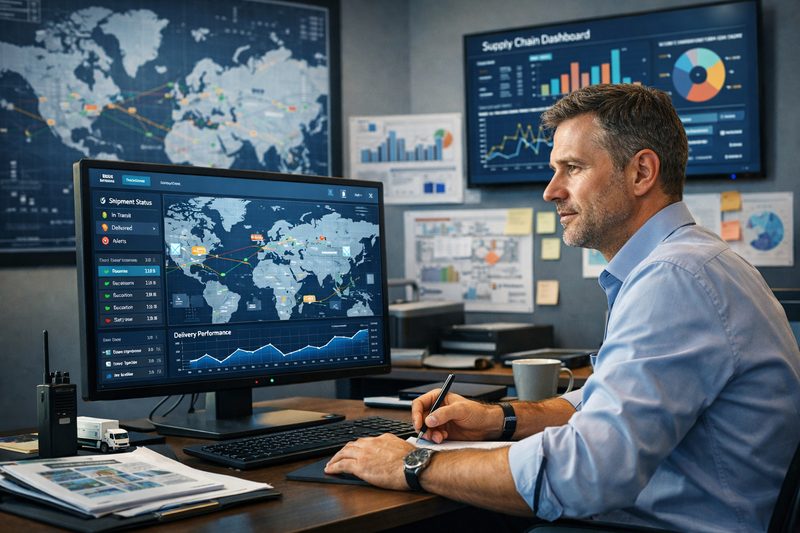
Technology is playing a pivotal role in how logistics companies in Philippines adapt to current economic challenges. By investing in cutting-edge logistics technologies, companies can track shipments in real-time, predict delivery times more accurately, and manage inventory more efficiently.
Advanced software solutions facilitate better decision-making by providing critical insights into supply chain operations. For example, using predictive analytics, companies can foresee potential disruptions and adapt their strategies accordingly to mitigate risks. This not only helps in managing costs but also enhances the reliability of their logistics solutions.
Diversifying Service Offerings
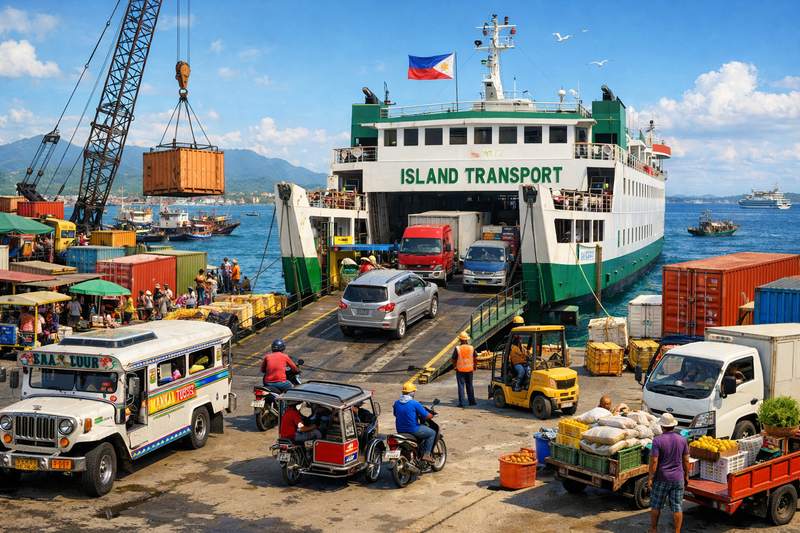
To remain competitive and resilient, logistics companies are also diversifying their service offerings. By expanding into inter-island logistics and offering air, sea, and land freight options, companies can cater to a broader range of customer needs and reduce dependence on any single type of service.
Such diversification allows logistics companies to tap into new markets and revenue streams, buffering the impact of currency fluctuations on their core operations.
Focusing on Logistics Company in Philippines Domestic Strength
While international operations can be heavily impacted by a weaker peso, focusing on strengthening domestic logistics offers a stable alternative. By enhancing their domestic networks, logistics companies can minimize exposure to foreign exchange volatility.
Investing in local infrastructure and maintaining robust domestic supply chains helps logistics companies ensure reliable services for businesses throughout the Philippines, even amid economic uncertainties.
Customer-Centric Adaptation
Ultimately, a customer-centric approach is essential for logistics companies looking to thrive during economic challenges. By understanding the unique needs of their customers and offering tailored logistics solutions, companies can foster stronger partnerships and build customer loyalty.
Offering flexible payment terms, transparent communications, and proactive solutions to potential issues further establish trust and reliability, essential qualities during times of economic instability.
The Road Ahead
Navigating the complexities of peso depreciation requires a proactive and strategic approach. By adopting diverse strategies—involving cost management, leveraging technology, diversifying services, and strengthening domestic operations—a logistics company in the Philippines can continue to provide robust and reliable services.
As the economic landscape evolves, businesses must collaborate closely with their logistics partners to ensure seamless and efficient supply chain operations. Contact JRMT Logistics today to explore customized logistics solutions that meet the specific needs of your business amid currency challenges.