As businesses across the Philippines continue to rely on efficient freight forwarding services, staying informed about economic factors that impact the logistics industry is crucial. One of the key variables affecting the costs and strategies of any freight forwarder in Philippines is the fluctuating peso valuation. This dynamic can influence various aspects of logistics, from operational costs to international trade competitiveness, making it essential for freight forwarders to adapt and strategize appropriately.
Understanding the Impact of Peso Valuation on Freight Forwarding
The value of the Philippine peso against other currencies has significant implications for freight forwarding. A stronger peso means imports are cheaper, which can lead to increased demand for shipping services as businesses look to purchase goods from abroad at lower prices. Conversely, a weaker peso can lead to higher import costs, pressuring businesses to seek cost-effective logistics solutions.
Inflation and Operating Costs
Fluctuations in the peso's value directly influence the cost of fuel and other essential resources needed for transporting goods. As fuel prices are tied to global markets, changes in peso valuation can quickly impact logistics operations. Freight forwarders must monitor these currency changes closely to manage their operational budgets.
Export Competitiveness
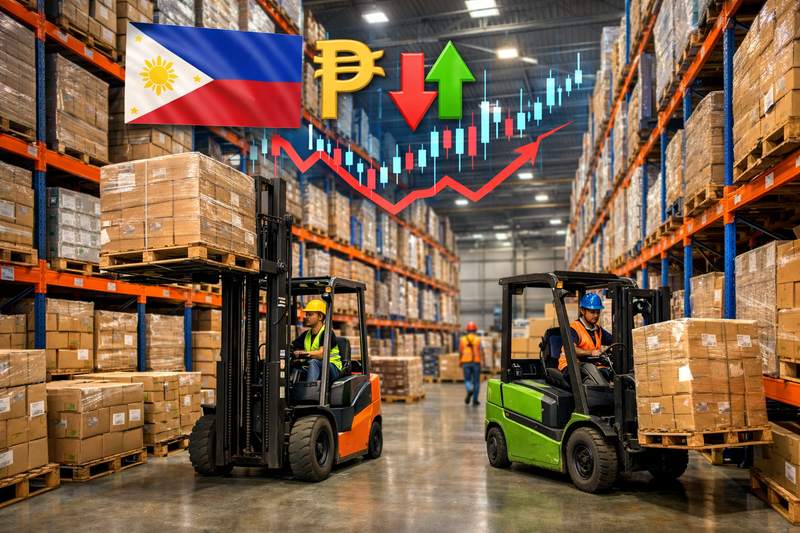
A depreciated peso improves the competitiveness of Philippine exports by making them cheaper on the global market. This can increase the volume of goods needing transportation overseas, challenging freight forwarders to manage this potential surge in demand while maintaining efficient service.
Strategies for Freight Forwarders to Mitigate Risks
For freight forwarders in the Philippines, developing strategies to navigate the complexities of peso valuation is crucial for mitigating risks and optimizing operations. Here are some strategies that can help handle these economic shifts:
Flexible Pricing Models
Implementing flexible pricing models that account for exchange rate fluctuations can protect revenue margins. By regularly assessing and adjusting freight rates, companies can ensure they align with current economic conditions.
Diversifying Service Offerings
Expanding the range of services can help mitigate risks associated with currency fluctuations. By offering a balanced mix of inland, air, and sea freight solutions, freight forwarders can cater to different market demands and economic situations.
Hedging Currency Risks
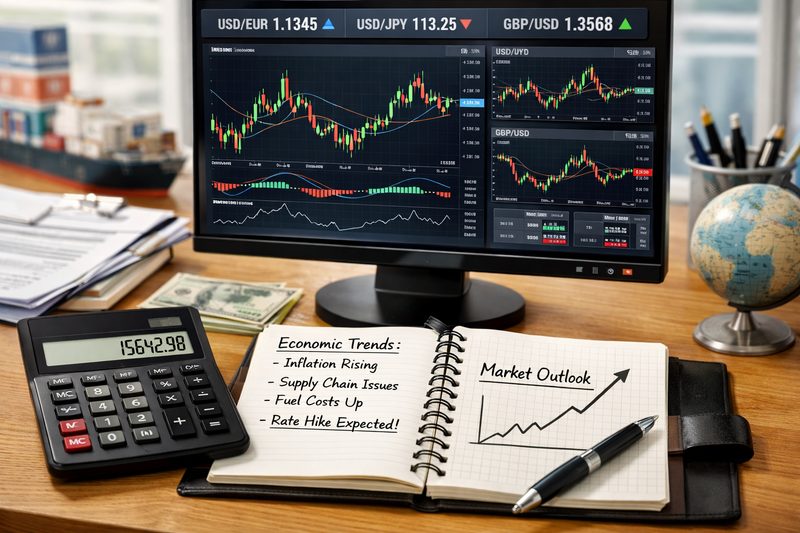
Investing in financial tools such as forward contracts and options can help freight forwarders hedge against adverse currency movements. These tools can lock in exchange rates for future transactions, reducing exposure to unpredictable shifts in the currency market.
- Monitor market trends and adjust pricing accordingly.
- Collaborate with financial experts to manage currency risk.
- Expand service regions to distribute currency risk.
The Role of Technology in Adapting to Currency Fluctuations
Technology plays a vital role in modern logistics, providing tools for better decision-making and operational efficiency. For freight forwarders facing currency volatility, leveraging technology is essential in maintaining a competitive edge.
Real-Time Analytics and Monitoring
Utilizing real-time technology to monitor currency markets and operational costs allows freight forwarders to make informed decisions quickly. Analytics can offer insights into potential risks and opportunities, enabling businesses to optimize their logistics strategies.
Automated Pricing Systems
Automated systems that calculate shipping rates based on current market conditions can ensure responsiveness to currency changes. By integrating real-time data into pricing algorithms, freight forwarders can maintain competitive pricing structures.
Blockchain for Secure Transactions
Adopting blockchain technology can enhance transaction security and streamline cross-border payments, reducing the potential impact of currency fluctuation on international dealings.
Navigating Peso Fluctuations Effectively
In conclusion, understanding and responding effectively to peso valuation trends is crucial for any freight forwarder in Philippines. By adopting flexible pricing models, diversifying services, managing currency risk, and leveraging technology, logistics companies can mitigate risks and capitalize on opportunities generated by currency fluctuations.
Adapting to these economic shifts not only ensures stability in operations but also strengthens a company's competitive position in the logistics industry. For businesses in Mindanao and beyond, partnering with a knowledgeable and proactive logistics provider like JRMT Logistics can make all the difference. Contact JRMT Logistics today to learn how they can support your business through skilled freight management solutions tailored to the dynamic nature of peso valuation.