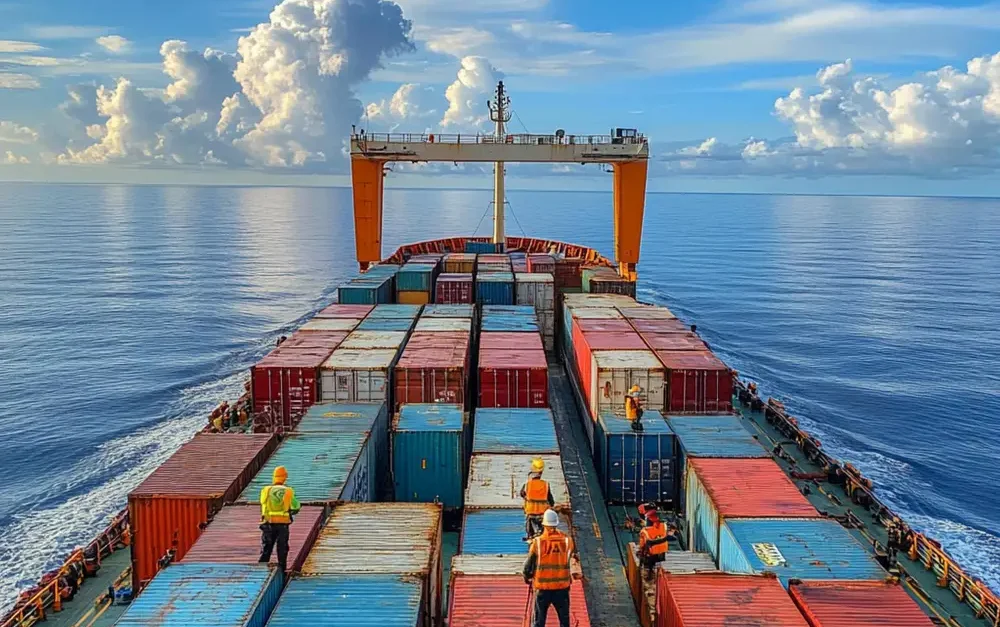
The Philippines Logistics industry is facing one of its most challenging years yet in 2026. With rising fuel prices, increasing congestion in major ports, and the continued effects of inflation, businesses and consumers alike are feeling the pressure of higher delivery costs and longer shipping times.
As the backbone of trade, commerce, and everyday deliveries, logistics plays a critical role in keeping the Philippine economy moving. However, the current landscape is forcing companies to rethink their strategies to remain competitive and efficient.
In this article, we’ll explore the major challenges impacting Philippines Logistics, how these issues affect businesses, and what smart solutions companies like JRMT Logistics are implementing to overcome them.
The Current State of Philippines Logistics
The logistics sector in the Philippines is uniquely complex due to the country’s geography. With over 7,000 islands, transporting goods requires a combination of land, sea, and sometimes air logistics.
In recent years, the growth of e-commerce, construction, and manufacturing industries has significantly increased demand for logistics services. However, this rapid growth has also exposed long-standing weaknesses in infrastructure and supply chain systems.
Key realities in 2026:
- Increased demand for fast and reliable delivery
- Heavy reliance on imported fuel
- Growing pressure on ports and highways
- Rising expectations from customers
All of these factors contribute to a more challenging environment for Philippines Logistics providers.
Major Challenges Facing Philippines Logistics in 2026
1. Rising Fuel Costs
Fuel prices remain one of the biggest drivers of logistics expenses. Since the Philippines imports the majority of its fuel, global market fluctuations directly affect local transportation costs.
Impact on logistics:
- Higher trucking and shipping rates
- Increased delivery fees for customers
- Reduced profit margins for businesses
Fuel cost increases ripple across the entire supply chain, making Philippines Logistics more expensive at every level.
2. Port Congestion and Shipping Delays
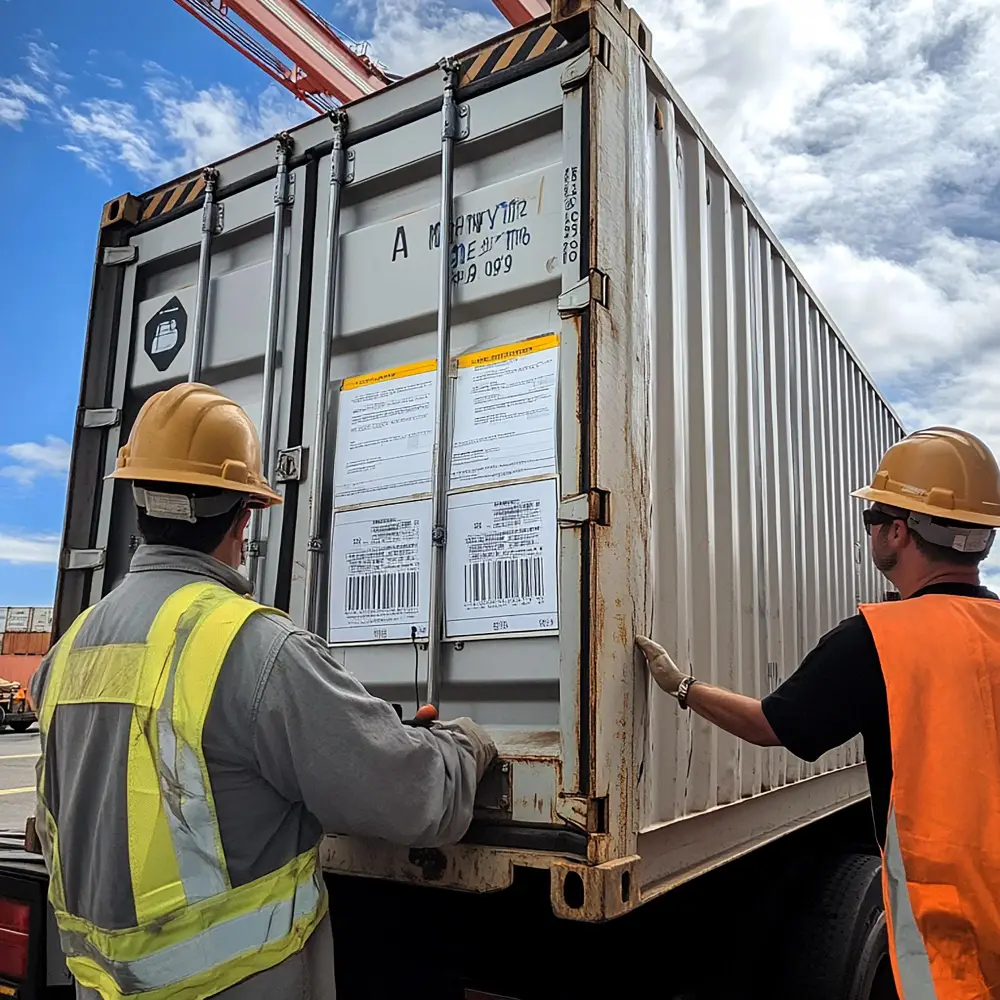
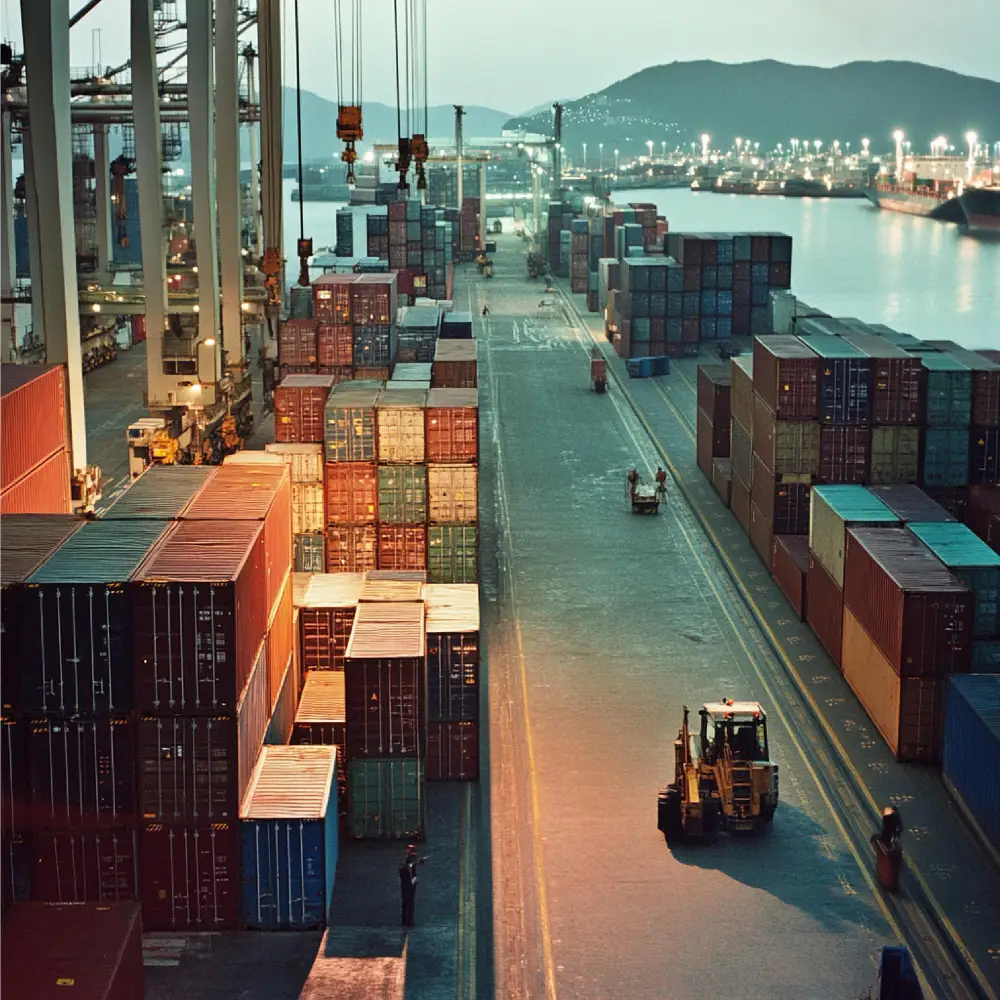
Major ports such as Manila continue to experience congestion due to high cargo volume and limited expansion capacity.
Common issues include:
- Delayed unloading of containers
- Longer turnaround times for vessels
- Backlogs affecting nationwide distribution
For businesses relying on timely deliveries, these delays can disrupt operations and lead to lost opportunities.
3. Limited Infrastructure
Despite improvements, infrastructure challenges still affect logistics efficiency across the country.
Key limitations:
- Traffic congestion in urban areas
- Limited logistics hubs in provincial regions
- Insufficient cold storage and warehousing
These gaps increase the cost and complexity of transporting goods, especially for businesses operating outside major cities.
4. Customs and Regulatory Delays
Importers and exporters continue to face delays due to complex customs procedures and documentation requirements.
Effects on businesses:
- Slower clearance times
- Increased storage and demurrage fees
- Unpredictable delivery schedules
Efficient customs processing is crucial for improving the overall performance of Philippines Logistics.
5. Last-Mile Delivery Challenges
The final stage of delivery—known as last-mile delivery—is often the most expensive and time-consuming.
Challenges include:
- Heavy traffic in cities like Metro Manila and Cebu
- High delivery density in urban areas
- Accessibility issues in remote locations
Last-mile inefficiencies significantly impact customer satisfaction and operational costs.
How These Philippines Logistics Challenges Affect Businesses
The current state of Philippines Logistics directly influences business performance across industries.
1. Higher Product Prices
As logistics costs increase, businesses pass these expenses on to consumers, making products more expensive.
2. Delivery Delays
Longer shipping times can lead to dissatisfied customers and lost sales opportunities.
3. Inventory Problems
Unreliable delivery schedules make inventory planning more difficult, leading to overstocking or shortages.
4. Reduced Competitiveness
Businesses that cannot adapt to rising logistics costs may struggle to compete in both local and global markets.
How Philippines Logistics Companies Are Adapting in 2026
Despite these challenges, leading providers like JRMT Logistics are implementing innovative solutions to improve efficiency and reliability.
1. Multi-Port Strategies
Instead of relying solely on Manila, companies are utilizing alternative ports such as:
- Cebu
- Davao
- Batangas
This reduces congestion and improves delivery timelines.
2. Technology-Driven Logistics
Modern logistics companies are investing in digital tools such as:
- Real-time shipment tracking
- Route optimization software
- Automated inventory systems
These technologies enhance visibility and reduce delays.
3. Distributed Warehousing
By establishing warehouses in strategic locations, logistics providers can:
- Reduce delivery time
- Lower transportation costs
- Improve inventory management
4. Flexible Transport Solutions
Combining land, sea, and air transport allows companies to adapt to disruptions and maintain efficient operations.
Smart Strategies of Philippines Logistics for Businesses
To navigate the evolving landscape of Philippines Logistics, businesses must adopt smarter shipping strategies.
1. Plan Shipments in Advance
Avoid peak seasons and schedule deliveries early to reduce costs and delays.
2. Partner with Reliable Logistics Providers
Choosing a trusted logistics partner ensures better service quality and reliability.
3. Optimize Inventory Management
Maintain balanced stock levels to avoid disruptions caused by delivery delays.
4. Use Regional Distribution Centers
Decentralizing inventory helps speed up deliveries and reduce transportation costs.
5. Diversify Shipping Routes
Avoid relying on a single route or port to minimize risks.
Why Choosing the Right Philippines Logistics Partner Matters
In today’s challenging environment, your logistics provider can make or break your business operations.
A reliable partner like JRMT Logistics offers:
- Cost-efficient transport solutions
- Nationwide delivery coverage
- Reliable and timely shipments
- Flexible logistics strategies
- Professional handling of cargo
With the right partner, businesses can turn logistics challenges into opportunities for growth.
The Future of Philippines Logistics
Looking ahead, the future of Philippines Logistics remains promising despite current challenges.
Key trends to watch:
- Continued infrastructure development
- Expansion of regional logistics hubs
- Increased adoption of automation and AI
- Growth of sustainable and green logistics
Companies that embrace innovation and strategic planning will be best positioned to succeed in the evolving logistics landscape.
The Philippines Logistics industry in 2026 is shaped by rising fuel costs, port congestion, and infrastructure challenges. While these issues present significant obstacles, they also highlight the importance of strategic planning and reliable logistics partnerships.
Businesses that adapt to these changes—by optimizing operations and working with experienced providers like JRMT Logistics—can maintain efficiency, control costs, and stay competitive in an increasingly demanding market.
Work with JRMT Logistics Today
Looking for a reliable partner to handle your logistics needs?
JRMT Logistics provides efficient, cost-effective, and nationwide logistics solutions tailored to your business.
✅ Fast and reliable delivery
✅ Competitive pricing despite rising costs
✅ Nationwide coverage across the Philippines
✅ Professional and experienced logistics team
👉 Contact JRMT Logistics today and keep your deliveries moving—no matter the challenges.
FAQs About Philippines Logistics
1. Why is Philippines Logistics expensive in 2026?
Rising fuel prices, port congestion, and infrastructure limitations significantly increase logistics costs.
2. How does fuel cost affect logistics?
Fuel directly impacts transportation expenses, making delivery services more expensive for businesses and consumers.
3. What causes delivery delays in the Philippines?
Common causes include port congestion, traffic, weather conditions, and customs processing delays.
4. How can businesses reduce logistics costs?
Businesses can reduce costs by planning shipments early, optimizing inventory, and working with reliable logistics providers.
5. Why should I choose JRMT Logistics?
JRMT Logistics offers efficient, reliable, and cost-effective logistics solutions designed to help businesses overcome challenges in the Philippines logistics industry.