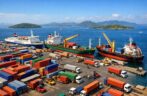
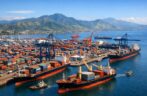
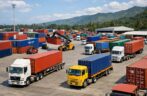
The Philippines is a dynamic economy marked by a vibrant logistics sector. However, the fluctuations in the Philippine peso have introduced a layer of complexity for logistics service providers. In the midst of these challenges, JRMT Logistics stands out as a leader in nationwide logistics in Philippines, striving for resilience and stability. This article delves into how nationwide logistics providers are building resilience against currency fluctuations.
The Impact of Peso Fluctuations on Nationwide Logistics in Philippines
The value of the Philippine peso can have significant ramifications for businesses, particularly for those reliant on imports and exports. Currency fluctuations influence fuel prices, equipment costs, and even labor rates, which are critical components of logistics operations. Understanding and mitigating these effects is vital for logistics companies that aim to maintain reliability for their clients.
Fuel Price Variability
Fuel is a major expense in logistics, and its price is particularly sensitive to currency fluctuations. When the peso weakens, the cost of importing fuel rises, leading to increased operational costs. Logistics companies must strategize to absorb or mitigate these costs to avoid passing them to their clients.
Equipment and Vehicle Costs
Most logistics equipment and vehicles are acquired from foreign suppliers. Currency volatility can, therefore, render fleet expansion and equipment upgrades more expensive. Planning and timing purchases during favorable exchange rates is one strategy that logistics providers often employ.
Labor Costs
While less directly affected by currency changes, labor costs can rise if inflation occurs in response to a weakening peso. This can pressure logistics companies to adjust salaries, particularly in skilled roles, to retain their workforce.
Strategies for Building Resilience in Nationwide Logistics in Philippines
Nationwide logistics providers like JRMT Logistics are leveraging various strategies to build resilience amidst peso changes, ensuring they continue to deliver exceptional service without disruptions.
Adopting Flexible Pricing Models
One effective approach is adopting flexible pricing models that can adjust based on fluctuating exchange rates. This can stabilize profit margins even when direct costs increase.
Investing in Local Resources
Increasing investments in locally sourced resources reduces dependency on imports. This could involve expanding domestic supply chains or partnering with local manufacturers for equipment and parts.
Advanced Forecasting and Planning
Logistics companies are employing advanced forecasting tools to anticipate changes in the exchange rate and prepare accordingly. Proactive planning allows these companies to make informed strategic decisions in advance.
Collaborating with Financial Experts
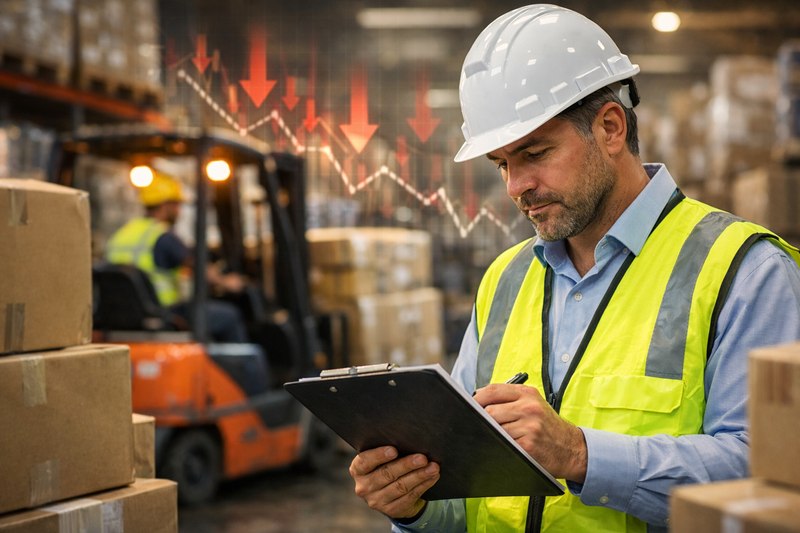
Collaboration with financial experts can provide logistics companies with insights into currency trends and risk management strategies, helping to minimize financial losses associated with currency fluctuations.
The Role of Technology in Enhancing Resilience
Embracing technology is a cornerstone of enhancing resilience in logistics, especially in the face of economic uncertainties.
Blockchain for Transparent Transactions
Adopting blockchain technology can enhance transparency in financial transactions, helping logistics companies gain clearer insights into cost structures and facilitate better decision-making.
Automation for Efficiency
Automation technologies streamline operations and reduce manual errors. This efficiency can mitigate the impact of currency-induced cost increases by maintaining or even increasing output without additional costs.
Improved Communication Systems
Advanced communication systems help logistics companies stay informed about economic changes and facilitate quick response strategies. They enhance coordination and improve overall supply chain efficiency.
Why Nationwide Logistics in Philippines Matters
In a country like the Philippines, with its numerous islands and diverse geography, a robust logistics network is crucial. Nationwide logistics providers ensure connectivity across regions, facilitating trade and commerce even during economic upheavals.
Connecting Regions and Boosting Trade
By bridging gaps between various regions, logistics providers support local businesses in accessing larger markets, thereby boosting economic resilience at a regional and national level.
Enhancing Supply Chain Solutions
Nationwide logistics specialists like JRMT Logistics can offer comprehensive solutions that address the unique logistical challenges of the archipelago, ensuring timely and efficient cargo movements irrespective of external pressures.
Stabilizing Local Economies
Reliable logistics services help stabilize local economies by ensuring that businesses can continue operations without significant disruptions caused by currency fluctuations. This boosts confidence among local enterprises that rely on seamless supply chain processes.
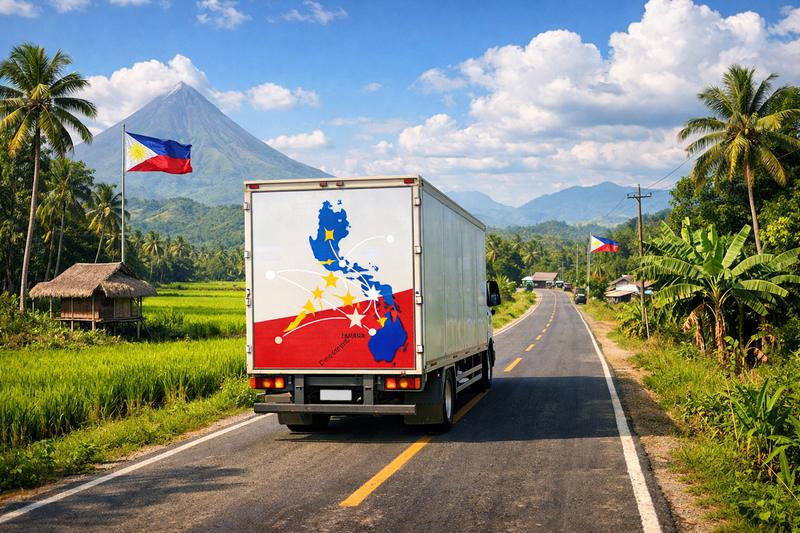
Building resilience in nationwide logistics in Philippines amidst peso fluctuations is a multifaceted endeavor. Through strategic financial management, investment in technology, and a relentless focus on operational efficiency, logistics providers like JRMT Logistics play a crucial role in ensuring stability for businesses across the nation. Contact JRMT Logistics today to leverage resilient logistics solutions tailored to your needs and secure your business’s supply chain against economic uncertainties.