The sea cargo industry in the Philippines is a crucial element of the nation's logistics ecosystem, enabling businesses to transport goods efficiently across oceans. However, the fluctuating nature of the Philippine peso presents unique pricing challenges for firms involved in sea cargo. Understanding how to navigate these challenges can significantly impact a company's bottom line.
The Impact of Peso Volatility on Sea Cargo in Philippines
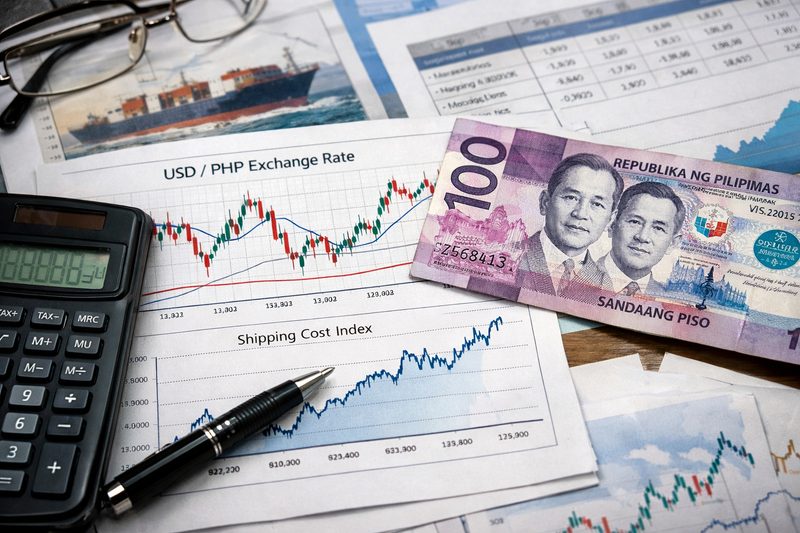
Currency fluctuations, particularly of the Philippine peso, have significant implications for businesses engaged in sea cargo operations. As exchange rates affect import and export activities, companies are often left with unpredictable logistics costs, which can strain their budgets and affect their pricing strategies.
The changing value of the peso influences several aspects of sea cargo operations, such as:
- Freight Rates: When the peso depreciates against global currencies like the US dollar, freight costs rise, as sea cargo charges are typically settled in USD.
- Fuel Costs: Fuel, being a globally traded commodity, is affected by peso volatility, impacting shipping rates.
- Equipment Costs: Equipment and maintenance parts are often imported, making their costs susceptible to currency fluctuations.
Strategies to Manage Pricing Challenges
Companies engaged in sea cargo within the Philippines must adopt robust strategies to counteract the costs associated with peso volatility. Here are some effective measures:
1. Hedging Currency Risks
Many companies utilize hedging strategies to protect against currency fluctuations. By entering into forward contracts or utilizing currency options, businesses can secure exchange rates, providing greater financial predictability.
2. Strategic Pricing Adjustments
Adjusting pricing strategies to incorporate potential cost variations can help buffer the impact of currency fluctuations. Businesses can opt for dynamic pricing models that take into account current exchange rates and adjust prices accordingly.
3. Diversifying Suppliers
Diversification of suppliers can reduce dependency on imports susceptible to currency volatility. Establishing local supply chains or creating strategic partnerships with suppliers from countries with more stable currencies can mitigate risks.
The Role of Technology in Managing Sea Cargo in Philippines Pricing
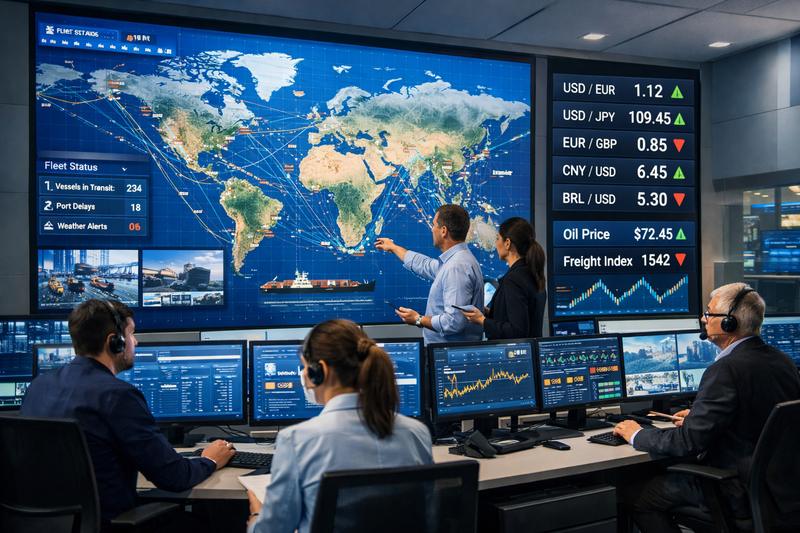
Innovations in technology play a crucial role in managing the complexities brought by currency volatility in sea cargo operations. Digital tools and platforms enable real-time monitoring of exchange rates, freight costs, and market trends, empowering businesses with data-driven decision-making capabilities.
Technology facilitates:
- Pricing Models: Advanced analytics and software allow companies to develop more adaptive pricing models responsive to market changes.
- Automated Transactions: Automation streamlines procurement and financial transactions, offering more consistent financial controls.
- Risk Management: Predictive analytics helps businesses foresee currency trends, allowing for proactive risk management strategies.
Case Studies: Successful Navigation of Peso Volatility in Sea Cargo in Philippines
Several businesses in the Philippines have managed to navigate the challenges of peso volatility successfully. By adopting strategic measures and leveraging technology, they have mitigated risk and maintained stable operations.
Impactful Strategies in Action
One enterprise, for instance, implemented an aggressive hedging policy combined with a dynamic pricing model, which allowed them to shield their bottom line from currency shifts effectively.
Another company invested in a technology platform that provides real-time analytics, assisting them in adjusting operations and pricing swiftly in response to market changes.
Setting a Course for Stability in Sea Cargo in Philippines Pricing
For businesses in the Philippines, particularly those reliant on sea cargo, the volatility of the Philippine peso represents a significant challenge. However, with the right combination of strategic planning, technology utilization, and financial instruments, these challenges can be mitigated.
Understanding and preparing for exchange rate variations are key to ensuring the efficient and cost-effective transportation of goods across the seas. As businesses seek reliable logistics partners to help navigate these complex waters, JRMT Logistics stands ready to offer comprehensive freight solutions designed to adapt to the dynamic maritime landscape.
Contact JRMT Logistics today to explore how we can support your business in managing sea cargo efficiently and cost-effectively across the Philippines.